A 10-minute printable practice routine for home or class
Plan ten minutes of printable worksheet practice for home, class, or tutoring. Use a short example, independent practice, and a quick review.
Pick one thing to practice
Choose one observable task for a short practice session. A learner might copy a sentence and remember the spaces, match five words to a spelling pattern, or explain two facts from the 6 times table. Choose a page that fits the goal and show only the part of the sheet the learner needs. A full worksheet can supply several sessions.
Use a short sequence
| Time | Activity | Example |
|---|---|---|
| 2 minutes | Show one model | Demonstrate how to start the first letter in a name. |
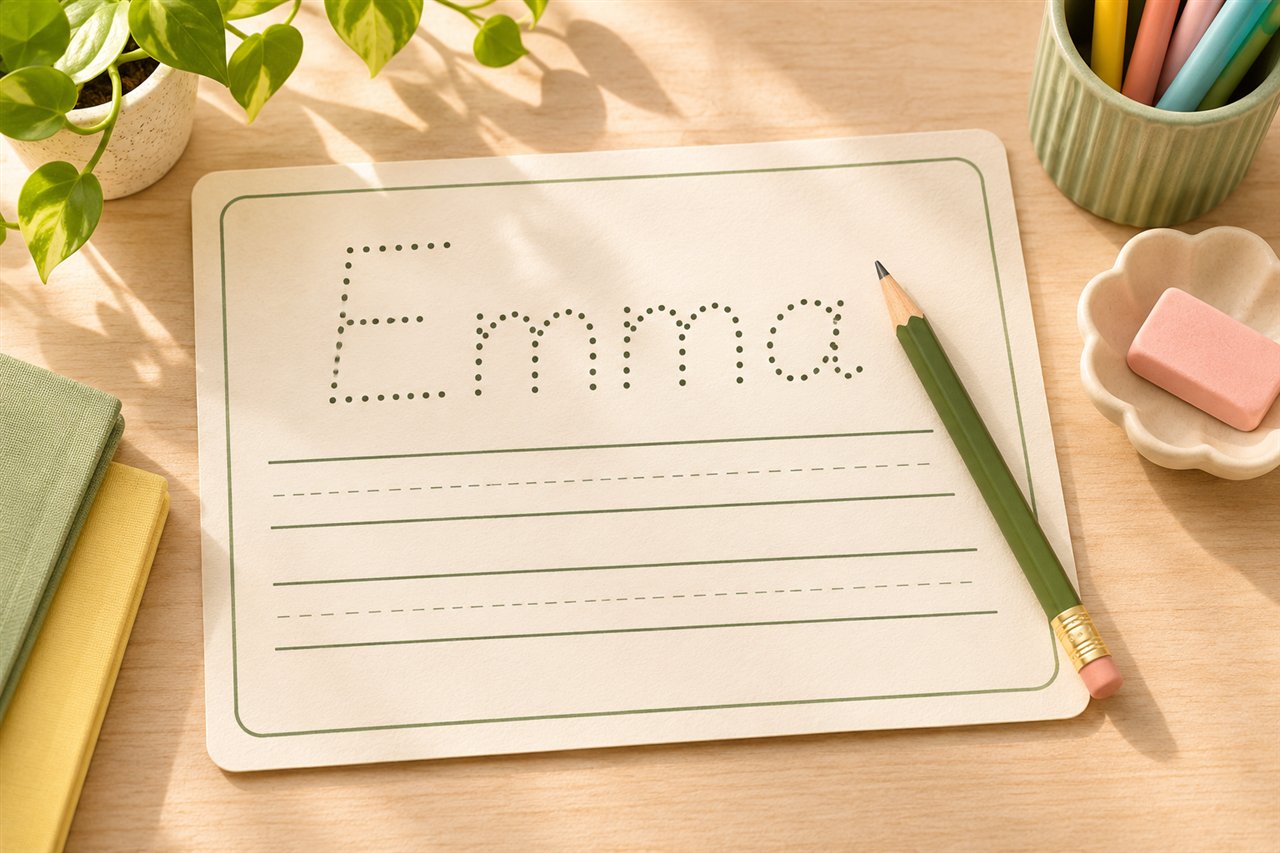
| 5 minutes | Try a small set | Trace a name once, copy it on the next line, then try it independently. |
| 2 minutes | Review together | Compare the spelling or letter order with the model. |
| 1 minute | Choose a next step | Decide which stage to print or practice next time. |
The times are a planning guide. Pause longer if the learner wants to explain an answer, or end after a couple of examples if the task feels tiring.
Make prep easy to repeat
Keep a pencil, a blank practice sheet, and the current worksheet in the same spot. Use the generator’s saved preferences for paper size or writing layout while entering new worksheet text each time. If several learners need different settings, print one example for each learner before making copies.
Reuse the same routine with a different tool
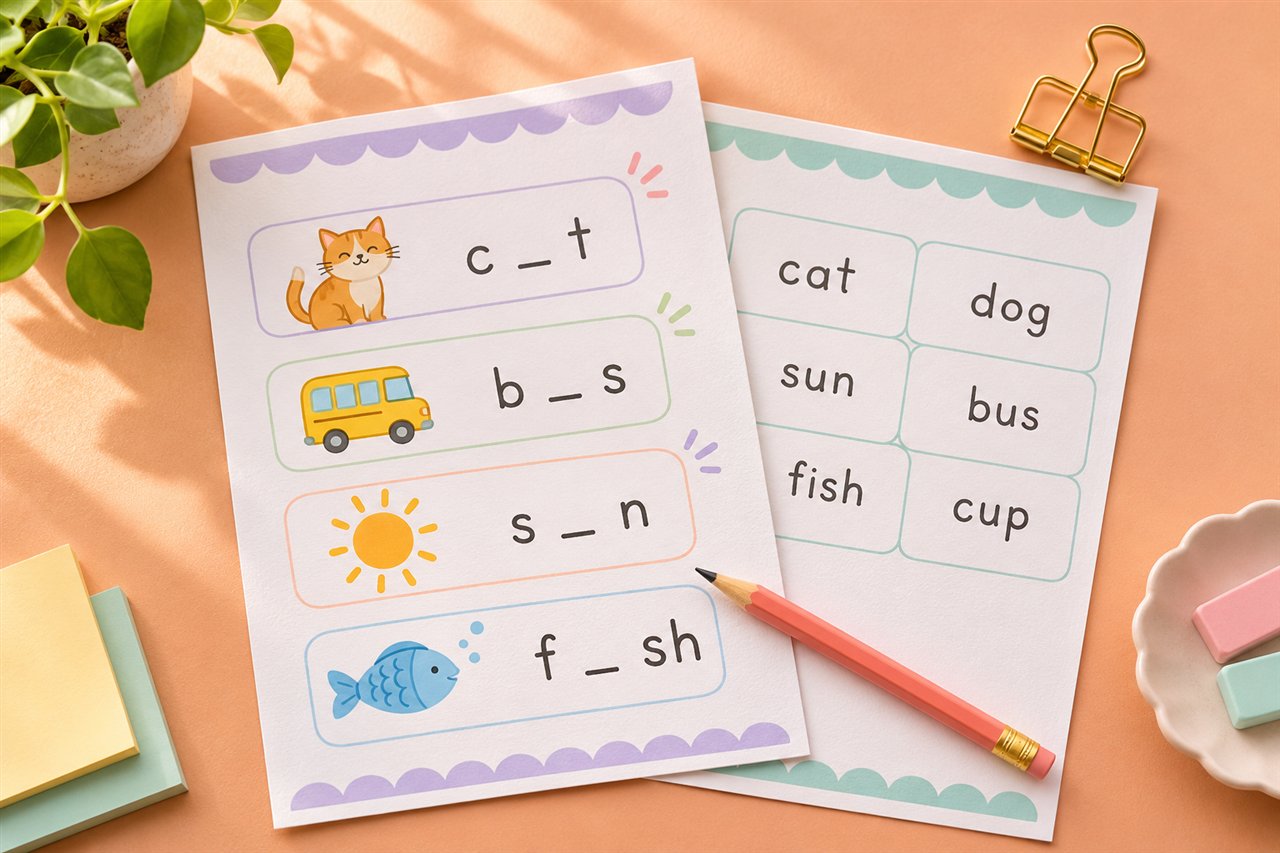
For spelling, read one target word, try a missing-letter item, then ask the learner to spell it without the model. For multiplication, show an array, solve a few related facts, and compare the answers with a separate key. End by noting the next practice item on your copy so it is easy to pick up tomorrow.
Set up two versions of the same routine
At home: Pick a single worksheet and use part of one page. Show a model, let the learner try, then review one detail together. A name tracing session can end after the learner writes their name at the bottom of a drawing. Keep the extra rows for the next day.
In a classroom or tutoring group: Put the practice sheet at a station with a short instruction card, such as “Solve the first four facts. Draw a group for one answer. Check with the key when you finish.” Keep the answer key face down or with the adult. Make the steps visible so learners can begin without waiting for directions.
Choose a different response when a learner gets stuck
| Situation | What to do next |
|---|---|
| The learner freezes at a blank guide | Keep a model visible and ask for one copy. |
| Several spelling words are unfamiliar | Read the words together and discuss the meaning before restarting. |
| The child gives a multiplication answer without a strategy | Ask them to draw the groups for one example and explain the drawing. |
| The worksheet takes more time than expected | Cover the remaining problems and choose one item to finish. |
Keep a small record of the next step
At the end, write a short note for yourself such as leave space between the last two words, review ai in train, or revisit 6 × 7 using groups. Use it to decide which worksheet or setting to use tomorrow. One observation is enough to make the next practice more specific.
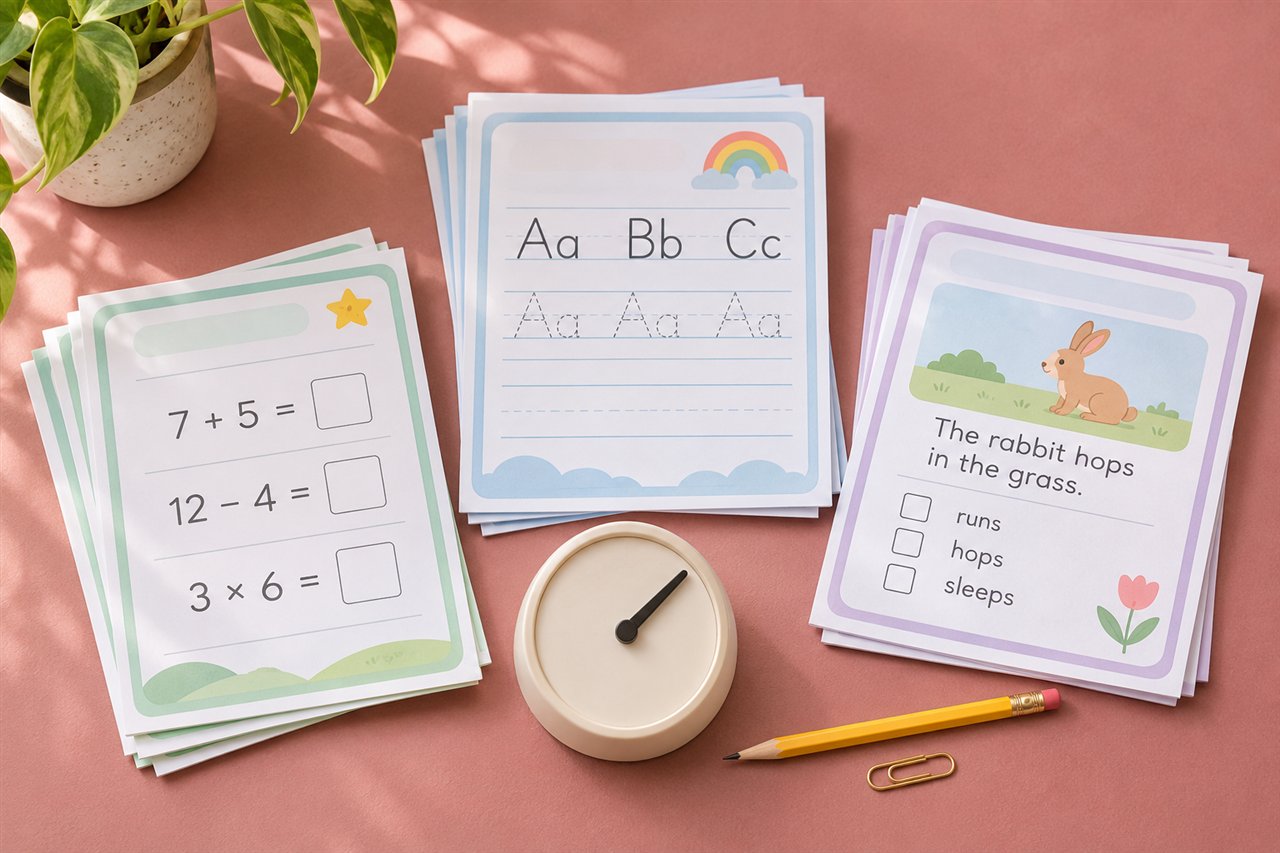
If you use a packet across several sessions, print only the pages you need that week and put them in order. Leave completed work accessible so you can compare attempts rather than relying on memory. Start with a name tracing progression, a weekly spelling packet, or a single multiplication table.
Try it with your own worksheet
Customize the page, check the preview, and download a free PDF.